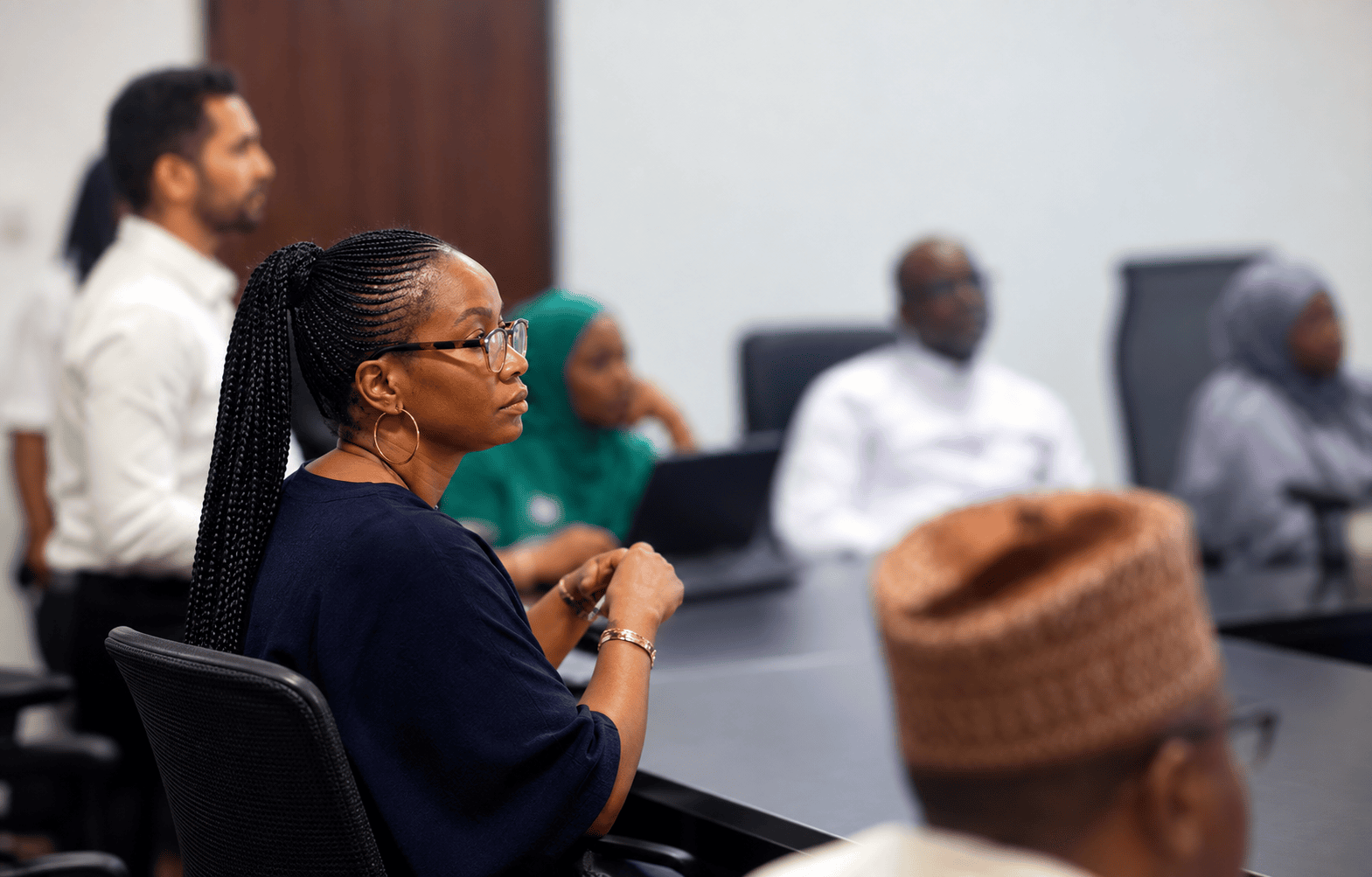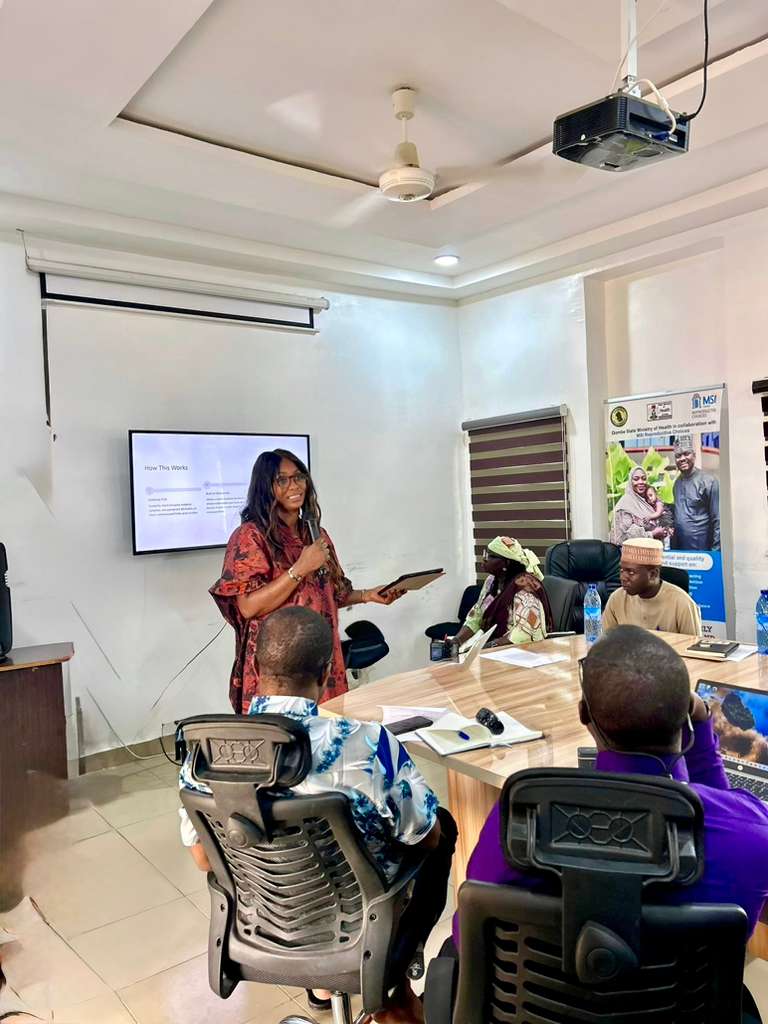
I took this photo in Inyi Village, Oduma, Enugu State, Nigeria.
These women were singing.
Not performing.
Not posing.
They were singing because a development programme had changed their lives so profoundly that they turned their gratitude into a praise song.
“Fadama: poverty has run away. There is no more poverty.”
I was there documenting the World Bank’s Fadama Development Project for a feature story.
The programme supported rice farmers—many of them women—with tools, crop insurance, and production support.
The interventions were simple.
The outcomes were transformative.
One woman, Regina, told me the programme meant her children could now go to school.
Another, Nolly, the community’s women leader, smiled and said:
“Before Fadama, the women in the village looked lean. Now we all look robust.”
I never forgot that sentence.
Not because it sounded memorable.
But because it revealed something no project report ever could.
Impact Storytelling Begins With Presence
This is what impact storytelling looks like.
It is not just documenting statistics.
Instead, it is being present enough to recognise the moments that numbers alone cannot explain.
That experience has stayed with me throughout my career in strategic communication.
More importantly, it continues to shape how I help leaders and institutions communicate their impact.
Every Community Has a Story Worth Telling
The story is always there.
It lives in the village hall.
It echoes through a praise song.
Sometimes, it appears in the quiet pride of a mother who can finally pay her child’s school fees.
Our responsibility—as communicators, development professionals, and institutions—is to go looking for those stories.
We do that by asking better questions.
We do it by listening carefully.
Above all, we do it with genuine respect for the people who invite us into their lives.
Stories are not manufactured.
They are discovered.
Why Impact Storytelling Matters
Data is essential.
Every organization needs evidence to measure progress and demonstrate results.
However, data alone rarely changes hearts or inspires action.
Stories give meaning to the numbers.
They help people understand what success looks like in real life.
Most importantly, they build trust.
That is why impact storytelling plays such an important role in development communication.
It allows institutions to communicate not only what they achieved, but why it matters.
This principle also underpins my work in leadership communication, where trust is built through authentic conversations long before organization communicate with the wider public.
If you’d like to explore this idea further, read Trust Is the Infrastructure Impact Runs On, where I discuss why trust is one of the most valuable assets any institution can build.
The Story Behind Every Statistic
One lesson from Inyi Village has stayed with me for more than twenty years.
Behind every statistic is a person.
Behind every outcome is a story.
And behind every successful development programme is a community whose experience deserves to be heard.
Whether I am advising leaders, facilitating strategy sessions, or documenting development programmes, I still believe the same thing.
Communication begins with listening.
The data may explain what happened.
The story is what makes people believe.
Continue the Conversation
If your organization wants to communicate its impact more effectively, strengthen stakeholder trust, or uncover the stories that inspire action, I’d be delighted to help.
Explore Related Services
- Storytelling that strengthens institutional trust → Leadership Keynote Speaking
- Creating the conditions for better conversations → Strategic Facilitation
- Leadership voice development for executives → Executive Advisory & Coaching
Continue Reading
You may also enjoy:
- Leadership Communication: Why Great Leaders Know When to Stay Silent
- Personal Branding: The Three Anchors of a Strong Personal Brand
- Trust Is the Infrastructure Impact Runs On
- Institutional Trust Deficits: The Silent Tax on African Innovation
Ready to communicate your organization’s impact with greater clarity and authenticity?
Contact me to discuss a keynote, strategic facilitation, or executive advisory engagement.